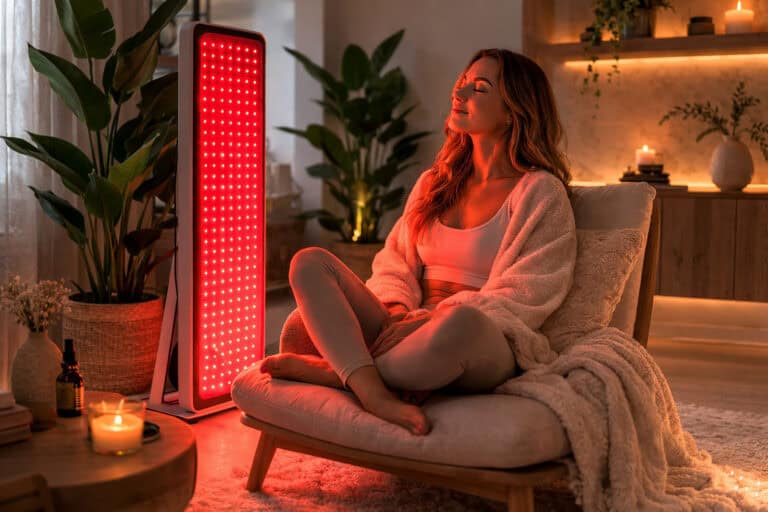
Red Light Therapy for Inflammation & Immune Support

Red light therapy for inflammation is often discussed as a way to support recovery, daily comfort, and overall wellness without turning to exaggerated claims. In a home setting, most people are not looking for miracles. They are looking for a steady routine that may help the body manage normal post-exercise stress, support circulation, and encourage a healthier recovery environment over time. That is where photobiomodulation becomes interesting.
Red light therapy uses specific wavelengths of light that may interact with cells in ways that support mitochondrial function, cell signaling, and microcirculation. Researchers continue to study how these effects may relate to inflammatory signaling and immune activity, but the most responsible takeaway is that red light therapy can be viewed as a supportive wellness tool rather than a cure or substitute for medical care.
In this guide, we will look at what inflammation actually is, how red light therapy may fit into a broader recovery routine, what immune support realistically means, and how to use this technology at home with conservative expectations. For a broader foundation first, see What Is Red Light Therapy?.
Want the broader device picture first?
Compare sizes, use cases, and formats in our red light therapy buyer’s guide →
What inflammation really means in everyday wellness
Inflammation is not automatically a bad thing. It is part of the body’s normal response to stress, strain, irritation, and repair. After a workout, a long day on your feet, poor sleep, or repeated overuse, the body may produce signals that help coordinate recovery. In that sense, short-term inflammation is part of the body’s normal maintenance process.
The concern usually comes when inflammatory stress feels constant, when recovery seems slow, or when a person feels like they are always trying to “catch up” physically. That does not mean a home wellness device can diagnose or treat a condition. It does mean supportive habits such as better sleep, movement, nutrition, stress management, and thoughtfully used red light therapy may help create a more recovery-friendly routine.
From a practical standpoint, people often become interested in red light therapy for inflammation when they notice patterns such as:
- feeling stiff after exercise or long workdays
- wanting a non-invasive recovery ritual at home
- trying to support circulation and tissue comfort
- looking for consistency rather than intensity
- building a broader wellness plan alongside healthy habits
For a science-first overview of benefits language and limitations, see our Red Light Therapy Benefits: Backed by Science page.
How red light therapy may interact with cellular recovery pathways
Red light therapy is often explained through the concept of photobiomodulation. In simple terms, certain wavelengths of red and near-infrared light may be absorbed by cellular components involved in energy production. One of the most commonly discussed targets is the mitochondrion, which plays a major role in producing ATP, the energy currency cells use for many basic functions.
When researchers talk about red light and inflammation, they are usually not saying that light “turns inflammation off.” The more cautious idea is that light exposure may help support healthier cellular signaling, energy availability, and local circulation in ways that encourage a more balanced recovery environment. These mechanisms are still being studied, and results can vary by device quality, wavelength, distance, consistency, and the person using it.

That is why realistic expectations matter. People usually benefit more from routine use over time than from one dramatic session. If you want a deeper explanation of the underlying mechanisms, read How Red Light Therapy Works at the Cellular Level.
Authoritative background reading on photobiomodulation and inflammation-related pathways can also be found in sources such as PubMed and NIH.
Why circulation and tissue comfort matter in the inflammation conversation
One reason red light therapy keeps coming up in recovery discussions is its potential relationship to circulation and local tissue support. When circulation improves, tissues may receive oxygen and nutrients more efficiently, and normal recovery processes may be better supported. That does not mean red light therapy replaces exercise, stretching, or medical care. It means it may fit into the same general recovery toolbox.

For example, someone using red light therapy after resistance training may place a panel near the legs, back, or shoulders for a short session as part of a post-workout routine. Someone else may use it in the morning to reduce the sense of stiffness that builds up after poor sleep or long sedentary hours. In both cases, the goal is support, not a guaranteed outcome.
That practical framing is also why red light therapy is commonly discussed alongside recovery-focused topics such as muscle recovery and circulation and heart health.
For general medical background on inflammation and the body’s response to injury or irritation, educational resources from Cleveland Clinic and Mayo Clinic are useful starting points.
What “immune support” should mean in a conservative, science-aligned article
The phrase immune support can be easily overstated online, so it is important to define it carefully. In a responsible wellness context, immune support does not mean preventing illness, boosting the immune system indefinitely, or replacing evidence-based medical care. It means supporting the body’s normal regulatory environment through habits that may contribute to resilience, recovery, and balance.
Red light therapy enters this conversation because researchers are studying how photobiomodulation may influence signaling pathways connected to oxidative stress, cell communication, and immune modulation. That does not justify broad claims. It does suggest there may be a meaningful relationship between light exposure and how the body organizes certain aspects of recovery.
In practice, this is the safest interpretation:
- red light therapy may support a healthier recovery environment
- it may help users build a calming, consistent wellness routine
- it may complement sleep, exercise, and nutrition habits
- it should not be presented as a cure, immune booster, or medical treatment

If immune signaling is the part that interests you most, you may also want to read Red Light Therapy and Immune Signaling for a more focused discussion.
How people commonly use red light therapy for inflammation at home
Most home users do not need an overly complicated setup. They need a repeatable routine that fits real life. Red light therapy for inflammation is often used in settings like a home gym, bedroom, office, or quiet wellness corner because consistency matters more than occasional marathon sessions.

Some realistic examples include:
- After exercise: a short session near legs, shoulders, or back as part of recovery
- Morning stiffness routine: light exposure paired with gentle mobility work
- Desk-break use: a brief session during long workdays to support comfort and routine adherence
- Evening wind-down: using the panel as part of a calm self-care ritual
It is also important to manage expectations. Home use is rarely dramatic from day one. Many people are really building a structured habit, similar to stretching, walking, or breath work. When it works well, it often becomes part of a bigger pattern of improved consistency rather than a standalone fix.
For a practical setup walkthrough, visit How to Use Red Light Therapy at Home.
Consistency usually matters more than intensity
One of the most common mistakes with red light therapy is assuming more is always better. In reality, photobiomodulation tends to be discussed in terms of appropriate dosing rather than maximum exposure. Overly long or random sessions do not automatically produce better results, and a missed-weekend, binge-style approach is usually less useful than a calm, structured routine.
For inflammation support, many people do best by choosing one of the following approaches:
- short, regular sessions several times per week
- targeted use after exercise or physically demanding days
- daily use in moderate durations when the device maker’s guidance supports it
The exact session length depends on the device, treatment area, and distance from the panel. That is one reason it is helpful to understand session duration and frequency before turning red light therapy into a daily habit.

The best home routine is usually one you can keep doing. That often means putting the device in a visible, convenient location and pairing it with an existing habit such as a warm-up, cool-down, skin-care ritual, or end-of-day reset.
What the research can and cannot say about inflammation and immune support
Research into photobiomodulation is active and promising, but it is also varied. Studies differ in wavelength, power, timing, target tissue, and population. That makes sweeping claims unreliable. A better interpretation is that the evidence supports continued interest in how red and near-infrared light may influence recovery-related pathways, while leaving plenty of room for uncertainty.
In practical terms, the research can support statements like these:
- red light therapy is being studied for its effects on cellular energy and signaling
- photobiomodulation may influence local tissue environment and recovery processes
- results depend heavily on dose, consistency, and context
- consumer expectations should remain cautious and evidence-aligned
The research cannot justify statements like these:
- this device cures inflammation
- red light therapy prevents disease
- immune support means guaranteed illness protection
- everyone will feel dramatic results in a week
If you want the bigger evidence landscape, see Red Light Therapy Research: What the Evidence Shows. For direct literature browsing, you can also explore PubMed’s photobiomodulation research index.
Shopping later, learning now?
When you are ready to compare formats and home-use options, review our top red light therapy device picks →
Who may be most interested in this kind of supportive use case
Red light therapy for inflammation tends to appeal to people who are trying to support comfort and recovery in ordinary, non-clinical ways. That includes active adults, people easing back into training, professionals who spend long hours sitting or standing, and wellness-focused users building a calmer home routine.
Some common user profiles include:
- Fitness-focused users: people who want recovery support after strength work, cardio, or mobility training
- Desk workers: people trying to offset stiffness from sedentary routines
- Self-care users: people who want a structured evening or morning ritual that feels supportive and low-friction
- General wellness users: people interested in the broader relationship between light, recovery, and routine consistency

That said, not everyone should approach red light therapy the same way. Device placement, session timing, eye exposure considerations, and personal health context all matter. Before starting, it is worth reviewing How to Use Red Light Therapy Safely and our Contact page if you want help finding the right educational resources on the site.
Safety and expectation-setting matter as much as the device itself
Red light therapy is often described as non-invasive and generally well tolerated, but that does not mean more exposure is automatically better or that safety details should be ignored. Good home use starts with reading device instructions, respecting recommended distance and session length, and avoiding unnecessary improvisation.
It is also wise to keep expectations grounded. If someone is dealing with persistent pain, unexplained swelling, signs of infection, or a medical condition affecting immune function, that is outside the role of a home wellness blog post. Red light therapy can be part of a personal wellness strategy, but it is not a substitute for qualified medical advice.
Important reminders include:
- use the device according to manufacturer guidance
- do not treat online content as personal medical advice
- pay attention to comfort, eye guidance, and treatment distance
- stop and reassess if a routine does not feel appropriate
For a fuller safety discussion, read Red Light Therapy Side Effects and Red Light Therapy Safety for Specific Populations.
How to build a realistic routine around red light therapy for inflammation
The strongest long-term use case for red light therapy for inflammation is not “turn it on and hope.” It is integrating the device into a broader recovery-friendly lifestyle. That means thinking in routines rather than isolated sessions.
A realistic supportive routine might include:
- consistent sleep timing
- strength or mobility work matched to your current capacity
- walking and circulation-friendly movement breaks
- balanced nutrition and hydration
- short red light sessions at consistent times

This is one reason red light therapy is often described as a supportive modality. It is easiest to evaluate when your other habits are reasonably stable. If sleep is chaotic, recovery is inconsistent, and sessions happen randomly, it becomes much harder to tell whether the device is helping at all.
For readers exploring whether this fits their routine style, our Red Light Therapy Blog and Is Red Light Therapy Right for You? guide can help you think through personal fit.
Frequently asked questions about red light therapy for inflammation
Can red light therapy reduce inflammation?
Red light therapy may support recovery-related processes connected to cellular energy, circulation, and signaling, which is why it is often discussed in relation to inflammation. The most accurate phrasing is that it may help support a healthier recovery environment rather than directly “curing” inflammation.
Does red light therapy help immune function?
Researchers are studying how photobiomodulation may influence immune signaling and related pathways, but immune support should be understood conservatively. It does not mean guaranteed illness prevention or a replacement for medical care. It means the therapy may play a supportive role within a broader wellness routine.
How often should you use red light therapy for inflammation support?
That depends on the device, treatment area, and manufacturer guidance. In general, shorter consistent sessions are usually a more realistic strategy than occasional long sessions. See our session guidelines article for a more practical overview.
Is red light therapy safe for home use?
Many home users consider red light therapy approachable when used according to device instructions, but safety still matters. Proper distance, timing, eye guidance, and personal health context should always be considered. Our safety guide covers this in more detail.
Bottom line: red light therapy may support recovery, but consistency and expectations matter most
Red light therapy for inflammation is best understood as a supportive wellness practice, not a miracle solution. The most reasonable case for it is that it may help support cellular energy production, local circulation, and recovery-related signaling in ways that fit into a broader home routine. That can be meaningful for people who want a non-invasive, repeatable habit that supports comfort and consistency over time.
The key is not to overpromise. Immune support in this context should mean supporting the body’s normal regulatory environment, not making cure claims. Inflammation support should mean encouraging better recovery habits, not pretending one device replaces sleep, movement, nutrition, or professional care when needed.
If you are still in the learning phase, start with the fundamentals, review safety guidance, and compare home device formats only when you understand how you would realistically use one.
Next step
Explore our Best Red Light Therapy Devices (2026 Buyer’s Guide) →