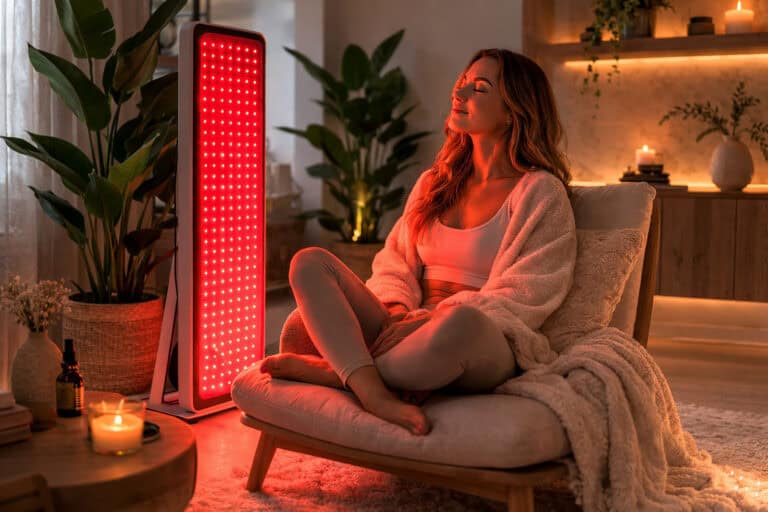
Red Light Therapy Side Effects

Red light therapy side effects are usually described as mild and temporary when devices are used as directed, but that does not mean the topic should be brushed aside. For people building a home wellness routine, it helps to understand what may happen during or after a session, what is considered normal, and what may signal that a setup, timing, or intensity adjustment is needed.
Most interest in red light therapy centers on its potential to support skin wellness, recovery, circulation, and daily routine consistency. At the same time, smart use matters. Too much exposure, poor positioning, overly long sessions, or using a device in a way that ignores the manufacturer’s instructions may increase the chance of discomfort rather than support a steady, sustainable routine.
This guide explains the most commonly discussed red light therapy side effects, how they may show up in real home-use scenarios, and when extra caution makes sense. It also covers why some people feel nothing unusual at all while others notice warmth, temporary sensitivity, eye discomfort, or skin irritation if their setup is not ideal.
Need the bigger picture first?
If you want a broader overview before diving deeper into red light therapy side effects, compare the basics in our red light therapy buyer’s guide →
What People Usually Mean by Red Light Therapy Side Effects
When people search for red light therapy side effects, they are often asking one of three different questions:
- Can a session make me feel uncomfortable right away?
- Can I overdo it if I use a device too long or too close?
- Are there any groups of people who should be more cautious?
Those are reasonable questions. Red light therapy is often discussed in a positive way, but any wellness tool used on a repeated schedule deserves practical safety context. In everyday home use, side effects are more often about how the device is used than the idea of red light itself.
That means the most common issues tend to be things like:
- temporary skin warmth
- minor redness
- dryness or irritation in sensitive skin
- eye discomfort when bright light is viewed directly
- feeling overstimulated when sessions are too long or poorly timed
These are different from dramatic claims you may sometimes see online. A conservative approach is more helpful. Red light therapy may support cellular signaling, mitochondrial activity, and microcirculation in certain contexts, but routine quality, device distance, intensity, and timing all shape the user experience.
For a foundational overview, see what red light therapy is and how it fits into a broader home wellness routine.
Why Red Light Therapy Side Effects Can Happen

Red light therapy is often framed as low effort, but it still involves exposing the body to a light source with a defined intensity, wavelength profile, and recommended usage window. In practical terms, side effects can happen when the dose is not well matched to the user, the body area, or the schedule.
Several variables can influence how a session feels:
- Distance from the panel: standing too close may increase brightness and warmth.
- Session length: longer is not always better, especially for beginners.
- Frequency: stacking sessions too aggressively may create temporary sensitivity.
- Skin condition: already-irritated skin may respond differently than normal skin.
- Time of day: bright light exposure late at night may not feel ideal for everyone.
At the mechanism level, red light is being studied for its interaction with cellular energy systems, nitric oxide signaling, and tissue-level processes. That is part of why moderation matters. A well-structured routine usually aims for consistency and comfort, not intensity for its own sake.
If you want a deeper science-focused explanation, read how red light therapy works at the cellular level.
Common Mild Reactions That Some People Notice
The most commonly discussed red light therapy side effects tend to be mild and short-lived. Some people notice no reaction at all. Others notice small changes during the first few sessions as they figure out a comfortable distance, timing window, and body area to target.
Temporary warmth
Even when a device is not intended to function like a heat therapy tool, being near a bright panel can still create a sense of warmth. This may be more noticeable in smaller rooms, at close range, or during longer sessions.
Mild redness
Skin may look slightly flushed right after a session, especially on the face or after closer exposure. In many cases, that appearance fades fairly quickly. Persistent redness is a sign to shorten the session, increase the distance, or pause use until the skin settles.
Dryness or sensitivity
People with reactive skin may occasionally notice dryness, tightness, or mild irritation after repeated facial sessions. This is one reason it makes sense to start with conservative use and avoid combining a new light routine with too many harsh topical products at the same time.
Visual discomfort
Bright light can feel uncomfortable if a user stares directly into the source, especially at close range. That discomfort does not necessarily mean the device is unsafe, but it does mean eye comfort should be taken seriously.
These common mild reactions are usually best managed with simple practical changes rather than dramatic conclusions.
Skin Irritation, Dryness, and Sensitivity

One of the more believable red light therapy side effects in home use is mild skin irritation, especially when facial routines are involved. This does not mean the technology is inherently harsh. It often means the routine around it needs to be simplified.
Common contributors include:
- using the panel too close to the face
- running sessions longer than recommended
- using exfoliants, retinoids, acids, or other active products at the same time
- starting with daily use instead of easing into a schedule
- using light on already-irritated or freshly treated skin
A practical approach is to think in terms of skin load. If your skin barrier is already stressed from cleansing products, cosmetic procedures, shaving, or environmental dryness, adding frequent light sessions may feel like too much all at once. Starting slow is often the simplest fix.
That is also why safety guidance matters alongside benefit claims. Our broader guide on how to use red light therapy safely is a useful companion if you are trying to create a steady home routine without unnecessary trial and error.
Eye Comfort and Brightness Concerns
Another important part of the red light therapy side effects conversation is eye comfort. People do not always mean eye injury when they ask this question. Many are simply describing brightness fatigue, squinting, or discomfort when they stand too close and look directly at a panel.
In a home setting, eye comfort depends on several factors:
- panel brightness
- how close the face is to the device
- whether the user looks directly at the LEDs
- how long the session lasts
- whether the device instructions discuss eye protection or eye-use limitations
Good practical habits include avoiding direct staring, following device guidance, and being extra cautious with facial use. Some people prefer to keep their eyes closed during face-focused sessions or adjust their position so exposure feels less intense.
This topic overlaps with our separate discussion of red light therapy for eye health, where the key takeaway is the same: avoid casual assumptions and follow conservative use practices.
People who already have eye sensitivity, are recovering from eye procedures, or have a medical eye condition may want extra caution before experimenting with bright home devices.
Overuse, Timing, and Feeling “Too Stimulated”
Not all red light therapy side effects are skin-based. Some people simply feel that a session was too long, too bright, or poorly timed for their day. In real-world home use, this can show up as feeling slightly restless, overstimulated, or just “off” after a late session.
This is one reason routine timing matters. Red light therapy is often discussed in relation to circadian rhythm signaling and daily energy patterns. That does not mean everyone will react the same way, but it does mean session timing may influence comfort and consistency.
If someone notices that late-evening sessions do not feel ideal, practical adjustments may include:
- moving sessions earlier in the day
- reducing session duration
- increasing the distance from the panel
- avoiding face-focused sessions right before bed
For some users, the best experience comes from treating red light therapy like a structured routine rather than a “more is better” tool. A short, consistent pattern is often easier to sustain than sporadic long sessions.
If schedule questions are your main concern, compare this guide with red light therapy session duration and frequency and red light therapy for sleep and circadian rhythm.
Who Should Be More Cautious with Red Light Therapy
Although many users tolerate red light therapy well, some situations call for more caution. That does not automatically mean a person cannot use a device. It means the starting point should be more conservative, and in some cases professional guidance may be appropriate.
Examples of people who may want extra caution include:
- those with very sensitive or reactive skin
- people using medications associated with light sensitivity
- those recovering from recent cosmetic procedures or skin irritation
- people with eye sensitivity or recent eye treatment
- pregnant individuals who prefer a more cautious decision-making approach
- anyone with a medical condition where light exposure guidance has already been given by a clinician
For these groups, it may be wiser to start with shorter sessions, larger distance, less frequent use, and a careful focus on comfort. In some cases, it may also make sense to pause experimentation until individual circumstances are clearer.
Looking for a safer starting point?
Review our practical overview of how to use red light therapy safely → before setting up a new routine.
How to Reduce the Chance of Red Light Therapy Side Effects

The easiest way to reduce the chance of red light therapy side effects is to treat the process like a measured routine instead of an intensity challenge. Small adjustments usually make a bigger difference than people expect.
Start below your maximum enthusiasm
If a device manual offers a usage range, begin on the gentler side of that range rather than jumping to the upper end.
Keep your distance reasonable
Using a panel too close to the face or body may increase brightness discomfort and warmth. Distance matters.
Track one variable at a time
If your skin routine, workout schedule, or sleep habits are all changing at once, it becomes harder to know what is causing discomfort.
Avoid stacking irritation
Be thoughtful about combining facial light sessions with aggressive exfoliation, retinoids, or other potentially irritating topical routines.
Respect eye comfort
Do not stare into a bright panel. Follow device guidance for facial setups and positioning.
Adjust timing if needed
If late sessions do not feel ideal, move them earlier rather than forcing the same pattern.
These habits support something more valuable than intensity: routine sustainability. A routine you can comfortably repeat is generally more useful than one that feels impressive for three days and irritating by day four.
When to Stop, Pause, or Reassess Your Setup
Most mild reactions can often be improved by simple routine changes, but there are still times when stopping and reassessing is the better move.
Consider pausing use if you notice:
- persistent or worsening skin irritation
- ongoing redness that does not settle down
- uncomfortable eye strain during or after sessions
- repeated discomfort despite shorter sessions and more distance
- a pattern that clearly gets worse each time you use the device
At that point, the right question is not “How do I push through this?” but “What part of the setup is not working for me?” That might mean the body area, session duration, frequency, distance, timing, or the fact that another skin or health variable is involved.
For some people, a simple routine reset solves the issue. For others, especially those with known sensitivity concerns, it may be better to seek individualized guidance before continuing.
If you are still deciding whether a home setup makes sense in the first place, our guide on whether red light therapy is right for you can help frame that decision more realistically.
Putting Red Light Therapy Side Effects in Context

It helps to put red light therapy side effects in proper context. In many cases, the conversation is less about dramatic adverse outcomes and more about user comfort, session quality, and matching the routine to the individual. That is why conservative language matters.
Red light therapy is being studied in relation to cellular energy production, skin support, circulation-related processes, and recovery. But research interest does not remove the need for practical setup decisions. Wellness tools work best when expectations are realistic, usage is measured, and discomfort is treated as information rather than ignored.
A balanced takeaway looks like this:
- many people report no meaningful issues when using devices conservatively
- some people notice mild temporary warmth, redness, or sensitivity
- eye comfort deserves attention, especially with bright facial exposure
- more time and closer range do not automatically mean better results
- comfort and consistency usually matter more than intensity
That framing makes it easier to build a routine that is informed rather than hype-driven.
For broader evidence context, authoritative resources often referenced in this space include PubMed, the NIH, Cleveland Clinic, and Mayo Clinic.
Frequently Asked Questions About Red Light Therapy Side Effects
Are red light therapy side effects usually serious?
They are often described as mild when devices are used conservatively and according to instructions. The more common concerns are temporary warmth, minor redness, skin sensitivity, or brightness discomfort rather than dramatic reactions.
Can red light therapy irritate the skin?
It can for some people, especially when facial sessions are too long, too close, or combined with already-irritating skincare products. Starting slowly and simplifying the routine often helps reduce that risk.
Can red light therapy bother your eyes?
Bright light can feel uncomfortable if you stare directly at it or use a facial setup too close to the device. Eye comfort should be taken seriously, and it makes sense to follow device guidance rather than assuming all exposure feels the same.
What is the best way to avoid red light therapy side effects?
Use conservative session lengths, maintain a comfortable distance, avoid direct staring into bright LEDs, and build up gradually instead of trying to do long sessions right away.
Final Thoughts on Red Light Therapy Side Effects
Red light therapy side effects are usually best understood as a routine-management issue rather than a reason for automatic alarm. In practical home use, the biggest variables are often session length, distance, timing, skin sensitivity, and how many other factors are being layered into the routine at the same time.
A thoughtful approach is simple: start conservatively, pay attention to comfort, make one adjustment at a time, and do not assume more exposure is always better. That mindset supports a more sustainable experience and helps separate normal short-term feedback from signs that a routine needs to be changed.
If you want to continue building a practical, evidence-aligned routine, start with the science-backed benefits page, browse the Red Light Sage blog, or review the top red light therapy devices guide. If you have a specific use case or safety question, you can also contact Red Light Sage.