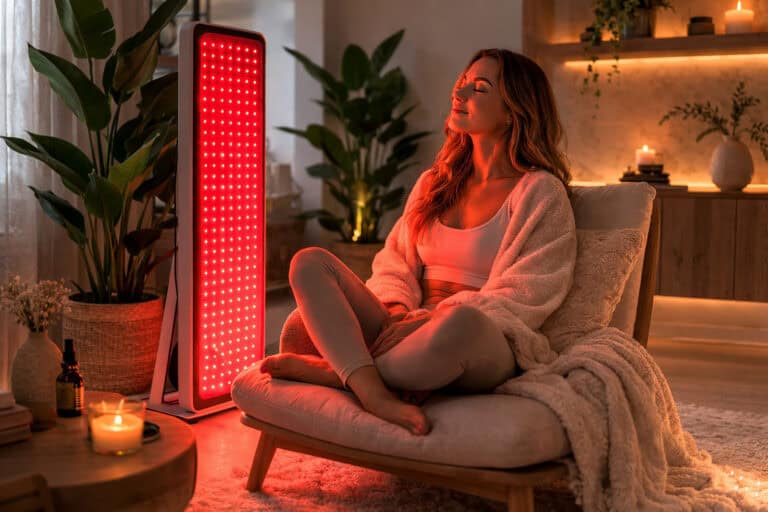
Red Light Therapy for Longevity & Cellular Renewal: Can Light Extend Lifespan?
⏳ Red light therapy for longevity is gaining attention for its potential to energize cells, reduce chronic inflammation, and support the body’s natural repair processes. By targeting mitochondrial function and signaling pathways tied to aging, photobiomodulation may help you feel and function younger—without invasive interventions. 🌟
In this guide, we’ll break down the science of longevity: how light influences ATP, inflammation, collagen, and cellular turnover—and how to design a simple routine that supports healthy aging.
Longevity 101: What Are We Optimizing with Red Light? 🎯
Longevity isn’t just lifespan—it’s healthspan: the quality of years lived. Red and near-infrared wavelengths (≈ 620–660 nm and 810–850 nm) interact with cytochrome c oxidase to elevate ATP, lower oxidative stress, and nudge inflammatory pathways toward balance. These shifts contribute to better tissue maintenance, recovery, and resilience over time.
- 🔋 Mitochondrial energy: higher ATP supports cellular upkeep.
- 🧯 Inflammation control: calmer baseline reduces wear-and-tear.
- 🧬 Repair signals: improved collagen and extracellular matrix quality.

Mitochondria and Collagen: The Cellular Renewal Duo 🧬
Mitochondria power every renewal process, from protein synthesis to tissue repair. Red light enhances mitochondrial efficiency while also influencing fibroblasts—the cells that produce collagen. With consistent use, this can help maintain skin elasticity, tendon integrity, and structural support that often decline with age.
- 🧱 Structural support: collagen quality aids joints, fascia, and skin.
- 🔁 Turnover balance: supports steady repair without excess scarring.
- 🌉 ECM resilience: healthier extracellular matrix = youthful function.

Inflammaging: Why Calming Inflammation Extends Healthspan 🧯
“Inflammaging” describes the slow, chronic inflammation that accelerates biological aging. Photobiomodulation can modulate key cytokines and oxidative stress markers—helping tissues maintain homeostasis. Pairing red light with sleep, protein intake, and movement creates a synergy that preserves function as the years add up. 💪
Clinical literature suggests that consistent, moderate dosing (10–20 minutes, 3–5x/week) near target tissues can yield measurable changes over weeks. We’ll build a simple, sustainable protocol later in this post.
Light-Activated Gene Expression and Repair Signals 🧬✨
Red and near-infrared light don’t just fuel mitochondria—they can also influence gene expression. By improving cellular redox balance, photobiomodulation helps switch on antioxidant enzymes like SOD and glutathione peroxidase, while dialing down pro-inflammatory genes such as NF-κB.
This gentle “signaling shift” encourages the body to self-correct, supporting DNA repair and longevity pathways such as SIRT1 and AMPK. In short: better mitochondrial balance → better gene expression → better cellular health. 🌱
Nitric Oxide: The Longevity Messenger Molecule 🩸
Every cell relies on circulation to deliver nutrients and remove waste. Red light releases nitric oxide (NO) from hemoglobin and mitochondrial binding sites, promoting vasodilation. That increased flow nourishes aging tissues with oxygen and glucose, while speeding the removal of inflammatory byproducts.
Healthy nitric-oxide signaling also supports stem-cell mobilization and tissue regeneration—two crucial pillars of longevity. ⚡

Hormonal and Metabolic Harmony 🌞
Healthy aging depends on balanced hormones and stable metabolism. Red light exposure may gently support endocrine function—especially the thyroid and adrenal axes—by reducing oxidative stress and improving mitochondrial performance in glandular cells.
This balance helps sustain energy, temperature regulation, and circadian rhythm—all factors that influence perceived vitality and mood. According to Mayo Clinic’s healthy-aging guidance, consistent light exposure, exercise, and restorative sleep form a trio that supports cellular renewal from within. 🌿
What Research Says About Light and Lifespan 🔬
Animal and human studies suggest that regular red light exposure may slow biological aging markers by:
- 🧬 Preserving telomere length and chromosomal stability.
- 💨 Reducing inflammatory cytokines like TNF-α and IL-6.
- ⚡ Enhancing ATP synthesis and tissue oxygenation.
- 🩹 Supporting wound healing and recovery in older adults.
While not a magic bullet, these cellular effects add up to improved function and resilience—key predictors of healthy lifespan. Combining light therapy with sound lifestyle habits amplifies the payoff over time. 🌅

Building Your Red Light Longevity Routine 🧭
To gain lasting benefits, treat red light therapy as a steady habit—not a quick fix. Sessions compound over time as cells adapt to improved mitochondrial output and reduced inflammation. Here’s a practical approach:
- ⏱️ Start small: 10–15 minutes per area, 3–5 days per week.
- 📏 Distance: Position yourself 6–12 inches from the panel for even exposure.
- 🌅 Timing: Morning or afternoon sessions promote energy and alignment with circadian rhythm.
- 🔁 Consistency: Keep up for at least 6–8 weeks to notice deeper results.
Many users combine full-body panels for systemic benefits and handheld devices for targeted areas like the face or joints. The key is cumulative energy—small, frequent doses over sporadic bursts. ⚡
Stacking Light with Other Longevity Practices 🧘♂️
Red light therapy shines brightest when integrated with other proven healthspan boosters. Pair it with:
- 🥗 Whole-food nutrition rich in antioxidants and omega-3s.
- 🏋️ Resistance training to maintain muscle and metabolic rate.
- 🧘 Mindfulness and stress reduction to lower cortisol and improve sleep quality.
- 💧 Hydration to optimize cellular signaling and detoxification.
Together, these habits form a well-rounded longevity blueprint, enhancing red light’s cumulative effects for body and mind. 🌿
Real-World Results: Aging Gracefully with Light ✨
From athletes to longevity enthusiasts, users report:
- 🌞 Brighter, firmer skin and smoother texture.
- ⚡ Improved energy, stamina, and recovery speed.
- 🧠 Sharper focus and steadier mood.
- 💤 Better sleep and circadian rhythm alignment.
While anecdotal, these outcomes echo scientific findings—especially when users commit to consistent, moderate exposure. Longevity isn’t about chasing youth; it’s about maintaining vitality. Red light helps you do exactly that, one photon at a time. 🔴

Continue Exploring Red Light Longevity Topics 🔗
Learn more about the science and applications of photobiomodulation through these Red Light Sage resources:
- ⭐ 2025 Buyer’s Guide to Red Light Therapy Devices
- 💡 Comprehensive Red Light Therapy Benefits
- 📘 Visit the Blog Index for All Articles
- 📬 Contact Red Light Sage for expert insights or collaboration inquiries.
Every article is peer-reviewed for accuracy, evidence strength, and clinical relevance. 🧠
Conclusion: Build Longevity, One Session at a Time 🌅
Red light therapy for longevity isn’t a silver bullet—it’s a steady nudge toward better mitochondrial output, calmer inflammation, and more resilient tissues. When you stack short, regular sessions with the fundamentals—sleep, strength training, real food, and stress management—you create the conditions for cellular renewal to compound over months and years. ⏳
Start modestly (10–15 minutes, 3–5x/week), track changes in energy, sleep, and skin quality, and adjust distance or timing as needed. Longevity is consistency. Keep the routine simple, repeatable, and you’ll feel the difference. 🔴✨
Next steps: review our Buyer’s Guide, explore full benefits, browse the blog index, or contact us with questions.