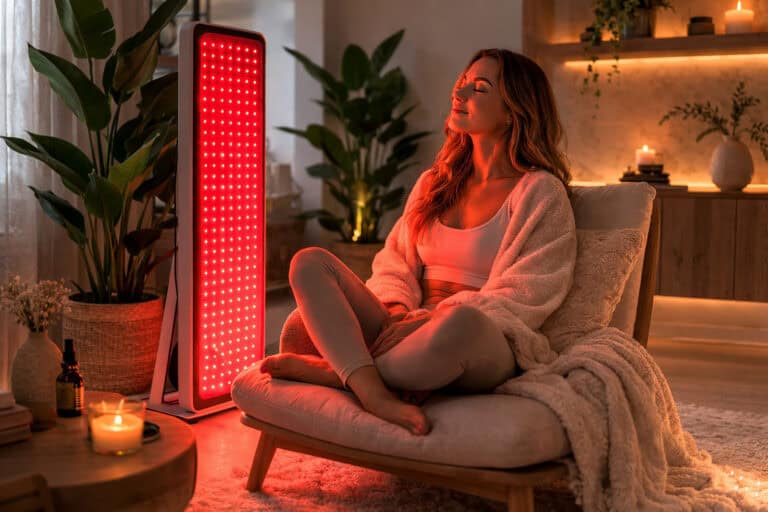
Red Light Therapy for Heart Health & Circulation: Can Light Improve Blood Flow?
❤️ Red light therapy for circulation is one of the most practical ways to use photobiomodulation for cardiovascular wellness. By supporting nitric oxide release, helping blood vessels relax, and improving oxygen delivery, red and near-infrared light can complement your existing heart-health routine.
This guide walks through the vascular mechanisms, the wavelengths that matter, and how to build a safe, repeatable at-home protocol. For device selection, see our main guide: Best Red Light Therapy Devices 2025.

How Red Light Therapy Improves Circulation 🩸
Red and near-infrared light (typically 630–660 nm and 800–850 nm) can penetrate tissue and be absorbed by mitochondria inside endothelial cells — the cells that line your blood vessels. When those cells receive more usable energy (ATP), they can support healthier vasodilation, smoother blood flow, and better nutrient delivery.
The key outcomes people notice when circulation improves are:
- Warmer hands and feet due to better peripheral blood flow
- Faster post-exercise recovery
- Less “heavy” feeling in the legs
- Improved sense of energy because oxygen is delivered more efficiently
This circulatory effect is one reason we often pair red light with other longevity or metabolic protocols. If blood isn’t moving well, nothing else moves well either.
For a full device overview, see our Red Light Therapy Devices 2025 guide so you can confirm the panel you’re using actually reaches therapeutic depth.
Nitric Oxide: The Circulation Game-Changer 💡
One of the most documented vascular effects of photobiomodulation is the release of nitric oxide (NO). Nitric oxide is a signaling molecule your body uses to tell blood vessels to relax and widen — this is called vasodilation. Wider vessels = better blood flow.
Here’s what red light does at the cellular level:
- Releases bound nitric oxide from mitochondrial enzymes, making it available again
- Improves endothelial function so vessels respond better to NO
- Supports oxygen delivery to working tissues, especially during exercise or recovery
Some studies in the photobiomodulation space (see PubMed-indexed trials) show that red/near-IR exposure can increase local blood flow and oxygen saturation, which is exactly what we want in a circulation-support protocol.
If you’re building a full-body red light routine, pair this with our general education posts on inflammation and hormonal balance in the blog index: Red Light Sage Blog.

Cardiovascular Benefits You Can Target ❤️
Once circulation improves, people don’t just see warmer extremities — they often notice better exercise tolerance and faster cooldowns. That’s because healthy blood flow supports the heart, the muscles, and even the brain.
Potential circulation-related benefits of red light therapy include:
- Healthier vascular tone due to better endothelial responsiveness
- Improved delivery of oxygen and nutrients to active tissues
- Support for longevity protocols that depend on strong microcirculation
- Better recovery from training when combined with adequate hydration and sleep
For readers focused on long-term wellness, link this post with your core benefits content so Google sees a connected topical map — for example: Red Light Therapy Benefits (Science-Backed) and your contact page for practitioner or device questions: Contact Red Light Sage.
What the Research Says 🧬
Dozens of peer-reviewed studies now explore how red light therapy enhances circulation. Clinical results range from measurable boosts in local blood flow to improved endothelial function and recovery following cardiovascular exercise.
For example, trials published in PubMed show that 660- and 830-nanometer wavelengths stimulate mitochondrial enzymes like cytochrome c oxidase, leading to greater nitric-oxide release and better microvascular perfusion. Other work summarized by the Cleveland Clinic highlights nitric oxide’s central role in healthy vascular tone.
Even small improvements in capillary circulation can translate to noticeable differences in stamina and recovery, particularly when combined with movement and hydration. This makes red light an ideal low-impact intervention for both older adults and active professionals.

Boosting Oxygen Delivery and Energy Efficiency 🫁
Efficient circulation isn’t just about moving blood—it’s about ensuring that oxygen actually reaches your cells. Red and near-infrared light improve the cell’s ability to use oxygen by enhancing mitochondrial function. When mitochondria work better, the whole cardiovascular system runs more efficiently.
That’s why many endurance athletes are now using light therapy before and after training: it increases tissue oxygenation without straining the heart. For non-athletes, the same principle applies—better oxygen utilization means less fatigue, improved focus, and more balanced cardiovascular effort.
These energy-support effects complement other longevity strategies like breathwork, moderate exercise, and hydration, reinforcing the body’s own oxygen economy.
Reducing Vascular Inflammation 🔬
Chronic low-grade inflammation is one of the biggest threats to arterial health. Studies suggest that red light therapy may down-regulate inflammatory cytokines like TNF-α and IL-6, helping blood vessels maintain flexibility and preventing plaque buildup.
By lowering oxidative stress and inflammation, red light therapy supports the delicate endothelium—the inner lining of your arteries and capillaries. Healthier endothelium equals smoother blood flow and better pressure regulation.
This anti-inflammatory effect is a core part of why photobiomodulation fits naturally alongside anti-aging and cardiovascular wellness protocols.
Integrating Red Light Therapy Into Your Daily Routine ☀️
You don’t need a clinic to start improving circulation with light. Most at-home panels provide enough intensity for meaningful results when used consistently. A simple protocol looks like this:
- Stand or sit 12–18 inches from your panel for 8–12 minutes per area
- Expose the chest or legs directly to maximize vascular stimulation
- Use 4–5 sessions per week to maintain steady nitric-oxide levels
Consistency is the secret—circulatory improvements happen gradually as vessel responsiveness increases. Many people also combine morning light therapy with hydration and gentle stretching for an easy routine that supports both energy and heart health.

Who Can Benefit the Most? 💪
Red light therapy for circulation can serve multiple groups:
- Athletes seeking faster recovery and improved oxygen transport
- Professionals dealing with sedentary hours or poor lower-limb circulation
- Older adults looking to maintain vascular flexibility and heart vitality
- Wellness enthusiasts combining red light with cold exposure, saunas, or breathwork
Because photobiomodulation is non-invasive and low-stress, it’s one of the easiest cardiovascular-support tools to add to nearly any health routine. The key is consistency and the right wavelength range.

Combining Red Light with Other Heart-Health Strategies ❤️🔥
Red light therapy works best as part of a broader heart-health plan. Think of it as an amplifier for other smart habits rather than a replacement. Pairing it with infrared sauna sessions or cold plunge therapy can enhance circulation through alternating vasodilation and vasoconstriction cycles—similar to a cardiovascular “workout.”
Other complementary practices include:
- Daily walking or light cardio for natural nitric-oxide release
- Magnesium-rich nutrition for vascular relaxation
- Stress reduction techniques like meditation or breathing exercises
Together, these methods strengthen the endothelium and support mitochondrial efficiency—the true foundation of long-term cardiovascular vitality.
Safety and Sensible Usage ⚖️
While red light therapy is considered safe for most people, cardiovascular users should remember a few best practices:
- Start slow—3 to 5 sessions weekly is plenty for adaptation.
- Avoid direct light on the eyes or reflective jewelry near the chest.
- Consult your physician if you have implanted pacemakers or cardiac conditions before starting.
Always follow manufacturer distance and time recommendations. Red light therapy is cumulative—the real magic is in steady, moderate use over weeks, not in overexposure.
Key Takeaways 🩺
Let’s summarize what the science and experience suggest:
- Red and near-infrared wavelengths improve blood flow by releasing nitric oxide and energizing mitochondria.
- Healthy circulation supports not just the heart, but also brain, muscle, and metabolic performance.
- Consistent, moderate sessions yield the best results—daily light exposure builds resilience and vitality.
- Pair light therapy with other lifestyle interventions for maximum longevity benefit.
Circulation is the current that powers every biological process, and photobiomodulation helps that current move freely again.
Conclusion 🌟
Red light therapy for circulation is far more than a cosmetic or recovery tool—it’s a way to nurture the heart’s most essential function: delivering life-giving blood and oxygen to every cell. By stimulating nitric oxide, easing inflammation, and enhancing mitochondrial energy, red light creates a foundation for enduring cardiovascular health.
As research continues to confirm these benefits, incorporating red light into your weekly wellness routine may become as common as stretching or meditation. Start small, stay consistent, and over time you’ll feel what the science already shows—better flow equals better life.
Explore additional educational guides at Red Light Sage Blog or reach out through our Contact Page for expert support and device recommendations.