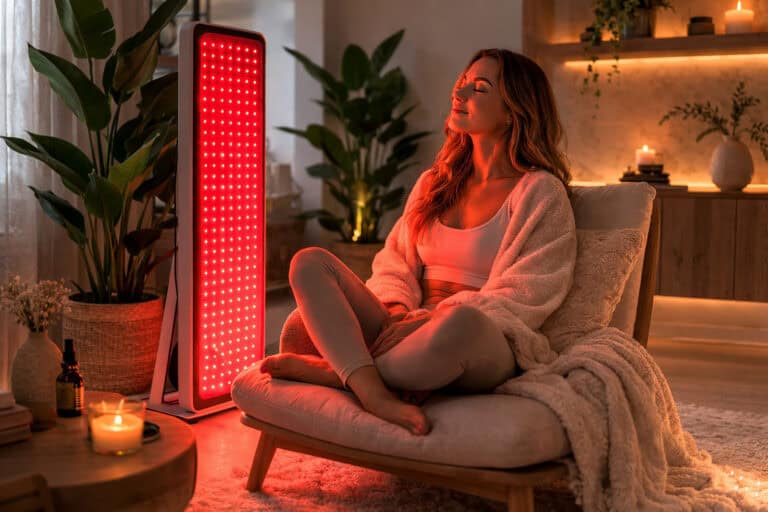
Red Light Therapy for Brain Health & Focus

Interest in red light therapy for brain health and focus has grown quickly as more people look for non-drug ways to support attention, mental clarity, daily energy, and cognitive resilience. The idea is appealing: use carefully selected red or near-infrared light in a structured routine to support brain-related cellular activity without heat, downtime, or invasive treatment.
That said, this is an area where careful language matters. Much of the discussion around brain-focused light therapy centers on transcranial photobiomodulation, a specialized application studied in research settings. Early studies and reviews are promising, especially around attention, working memory, and prefrontal cortex activity, but protocols vary widely and the evidence is not yet settled enough to treat this as a guaranteed cognitive upgrade or a replacement for sleep, exercise, nutrition, or medical care.
In this guide, we’ll break down what red light therapy may be doing at the cellular level, what the current evidence suggests about focus and cognitive performance, where expectations should stay realistic, and how this topic fits into a broader home wellness routine. For a broader device overview, see our Best Red Light Therapy Devices (2026 Buyer’s Guide). For the bigger picture on wellness applications, visit Red Light Therapy Benefits: Backed by Science.
Looking for the broader device landscape?
Compare home setups, panel types, and practical buying considerations in our red light therapy buyer’s guide →
What “brain health and focus” usually means in red light therapy discussions
When people search for red light therapy and brain performance, they are usually asking about a few overlapping goals:
- Short-term focus: staying mentally engaged during work, study, or cognitively demanding tasks.
- Mental clarity: feeling less mentally sluggish or “foggy” during the day.
- Cognitive support: helping maintain attention, working memory, and executive function over time.
- Stress resilience: supporting a calmer nervous system state that may indirectly help concentration.
In research language, these outcomes are often measured with reaction time tests, working-memory tasks, sustained attention tasks, lexical access, or executive-function testing rather than vague claims about “unlocking your brain.” That distinction matters because scientific studies usually evaluate specific performance domains, not overall genius, productivity, or instant mental transformation.
Another important distinction: general at-home red light therapy panels used for skin, mood, or routine wellness are not automatically the same thing as dedicated transcranial photobiomodulation systems studied in cognitive trials. Research protocols often use specific wavelengths, exposure parameters, target areas, and dosing patterns that differ from casual consumer use.
If you want foundational context first, our post on what red light therapy is helps explain how this modality is generally framed before you narrow in on brain-focused questions.
How red light therapy may support brain function at the cellular level
The leading theory behind photobiomodulation is that certain wavelengths of red and near-infrared light are absorbed by cellular structures involved in energy production, especially within mitochondria. Review literature commonly describes cytochrome c oxidase as a key photoacceptor, with downstream effects that may include changes in ATP production, nitric oxide signaling, and cellular communication. In brain-focused applications, researchers also study possible effects on cerebral blood flow, oxygen use, and metabolic activity in targeted regions of the cortex.
That does not mean “more light always equals more brain power.” Biological systems respond to dose, tissue depth, device characteristics, timing, and consistency. It also does not mean every consumer device is equally suited to brain-focused use.

Several reviews describe these proposed pathways in similar terms:
- supporting mitochondrial energy metabolism,
- influencing nitric oxide release and vascular tone,
- modulating oxidative stress and inflammatory signaling,
- and potentially affecting neuroplasticity-related processes.
For readers who want a deeper science explainer, our article on how red light therapy works at the cellular level covers the mechanism in more detail. Primary background reading is also available through PubMed and review literature, including summaries of brain photobiomodulation mechanisms and transcranial photobiomodulation research: PubMed review on photobiomodulation therapy on the brain and systematic review and meta-analysis on cognition in healthy adults.
What the research says about focus, attention, and cognitive performance
The most encouraging part of the evidence base is that some controlled human studies and reviews have found measurable improvements in select cognitive tasks after transcranial photobiomodulation. In a systematic review and meta-analysis of healthy adults, researchers reported an overall beneficial effect on cognition-related outcomes, while also noting modest study quality and meaningful heterogeneity across protocols. A later systematic review of human studies likewise concluded that transcranial photobiomodulation seems to improve cognitive function, but emphasized that stronger randomized trials are still needed.
That balance is important. There is enough early signal to justify scientific interest, but not enough consistency to promise reliable results for every healthy adult using a generic red light device at home.

Across reviews, the most commonly discussed areas of potential benefit include:
- Attention during mentally demanding tasks,
- working memory and task performance,
- executive function or cognitive control,
- reaction speed and processing efficiency in some settings.
At the same time, results are not universal. Different studies use different wavelengths, treatment durations, power densities, application sites, and subject populations. Some involve healthy young adults; others involve older adults or clinical populations. These differences make it difficult to translate laboratory findings into a simple “use this at home for focus” formula.
For a broader evidence overview beyond this topic alone, visit Red Light Therapy Research: What the Evidence Shows.
Where “brain health” may fit in — and where claims should stay conservative
“Brain health” is broader than focus. It can include healthy aging, metabolic resilience, blood flow, stress handling, cognitive maintenance, and lifestyle habits that support long-term function. Review papers on photobiomodulation in aging and neurological contexts suggest potential relevance for working memory, inhibition, and broader cognitive support, especially in older populations or disease-adjacent settings. But this remains a research-heavy category, not a settled wellness guarantee.
In other words, it is reasonable to say that photobiomodulation is being studied for brain-related applications and that early findings are promising. It is not responsible to say a home red light routine will prevent decline, treat a neurological condition, or produce dramatic focus improvements for everyone.

Some of the pathways researchers are most interested in include:
- energy metabolism in brain cells,
- microcirculation and hemodynamic changes,
- oxidative stress balance,
- signaling related to cellular resilience and function.
A useful way to think about this topic is that red light therapy may be one supportive tool inside a much larger cognitive-health framework that still depends heavily on sleep, movement, daylight exposure, nutrition, stress regulation, and medical guidance when symptoms are persistent or worsening.
For readers also interested in how circadian support overlaps with cognitive performance, our guide to red light therapy for sleep and circadian rhythm is a helpful companion read.
Realistic expectations for home users who want better focus
Most people exploring this topic are not enrolling in a research protocol. They are trying to build a sustainable home routine. That makes realistic expectations especially important.
If red light therapy helps at all in a home wellness setting, the most realistic benefits are likely to feel subtle rather than dramatic. Think in terms of routine support, mental steadiness, or improved consistency, not a sudden cognitive overhaul. Some people may notice that a structured morning or mid-day session helps them transition into focused work. Others may feel little or no difference. Device quality, treatment setup, timing, sleep debt, stress load, and overall health all matter.

Helpful expectations to keep in mind:
- Consistency beats novelty. A repeatable schedule matters more than occasional enthusiasm.
- Supportive routines matter. Good sleep, hydration, movement, and work-rest pacing often influence focus more than any device.
- Device purpose matters. Not every panel is designed for specialized brain-directed use.
- Results may be modest. “Slightly better focus” is a more realistic frame than “brain optimization.”
That same conservative approach is echoed by mainstream clinical sources discussing red light therapy more generally. Cleveland Clinic notes that red light therapy remains an emerging treatment, with promising signals in some areas but not enough evidence to support many promoted uses broadly. See Cleveland Clinic’s overview of red light therapy for that broader cautionary context.
How a brain-supportive red light routine is usually approached
Because study protocols differ, there is no single universal brain-health routine that applies to everyone. Still, from a practical home-use perspective, most people do best when they think in terms of structured wellness habits rather than improvised experimentation.
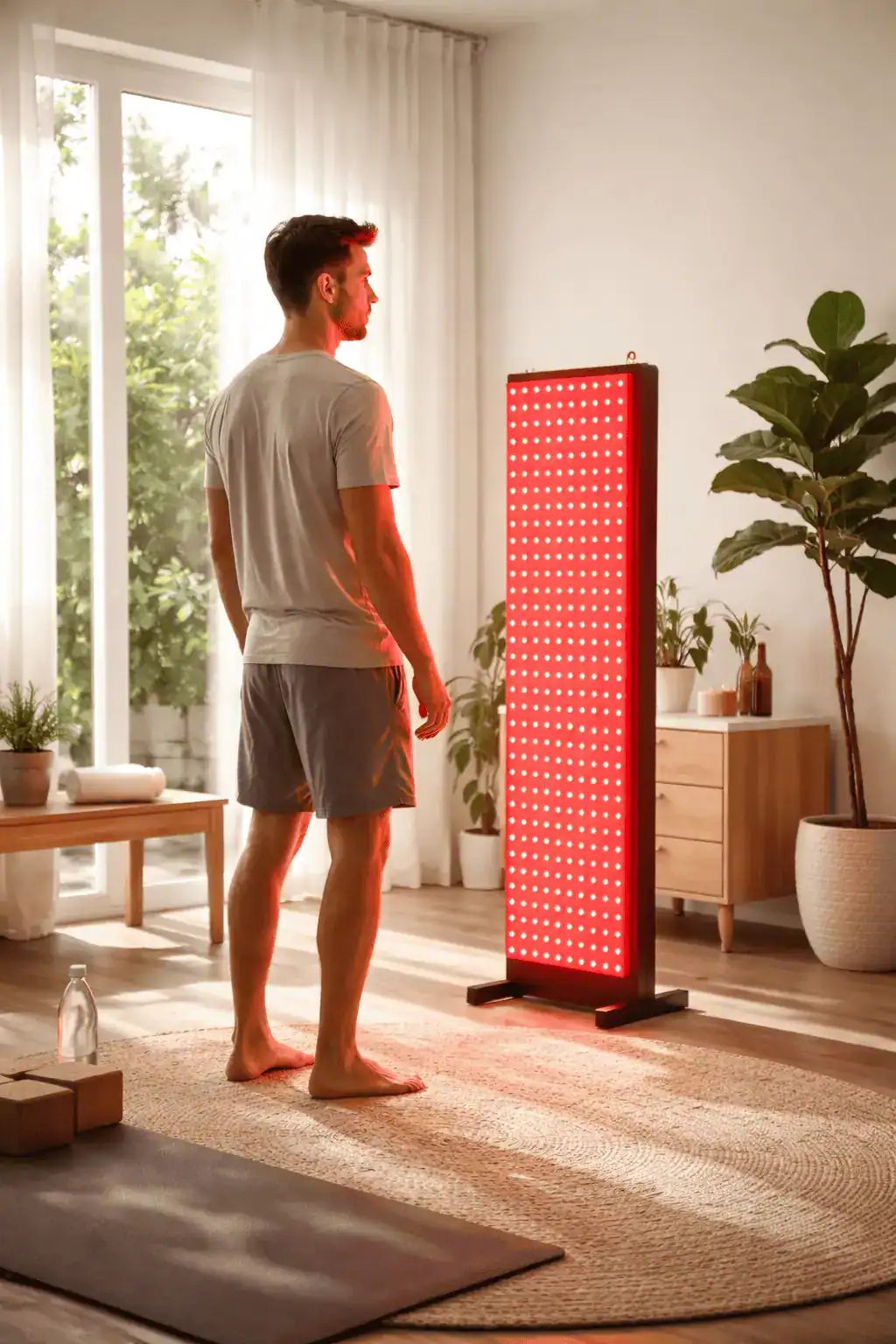
A sensible routine framework often includes:
- Regular timing: many people prefer morning or early-day use when the goal is alertness and task engagement.
- A calm setup: avoid trying to multitask chaotically during sessions.
- Environmental support: pair sessions with hydration, light movement, or a brief planning block before focused work.
- Tracking: note whether you feel more focused, calmer, or unchanged over a few weeks.
For general home-use considerations, see How to Use Red Light Therapy at Home and Red Light Therapy Session Duration & Frequency. Those pages are especially useful if you are still building your baseline routine.
Safety considerations before using red light therapy for brain-related goals
Safety becomes especially important when people start thinking beyond skin-focused or routine wellness use. Even though red light therapy is generally described as noninvasive and relatively low risk when used as directed, that does not mean every brain-directed application is appropriate to self-manage casually.
Mainstream medical guidance on red light therapy tends to emphasize a few practical points:
- follow device instructions carefully,
- use appropriate eye protection when recommended,
- avoid overuse,
- talk with a qualified healthcare professional when symptoms are medical, persistent, or worsening.
Cleveland Clinic also notes that while red light therapy appears safe short term when used properly, long-term safety of some devices is not fully known, and misuse may create risk for the skin or eyes. That is another reason to avoid treating consumer red light products as casual brain “hacking” tools.
If you have headaches, neurological symptoms, seizure history, active medical treatment, or uncertainty about whether light exposure is appropriate for you, the more responsible step is to get individualized guidance first. Our page on how to use red light therapy safely covers general precautions, and Contact Red Light Sage if you want help navigating the educational resources on the site.
Brain health, mood, and sleep are connected — but they are not the same claim
One reason this topic gets confusing is that focus is heavily influenced by other systems. If someone sleeps better, feels calmer, or recovers better after workouts, they may also feel more mentally sharp the next day. That does not necessarily mean the light therapy directly “boosted cognition” in a narrow neurological sense.

That’s why it helps to separate three related but distinct ideas:
- Direct cognitive outcomes: attention, reaction time, memory tasks, executive function.
- Nervous-system state: stress load, calmness, mental fatigue, emotional steadiness.
- Indirect performance support: better sleep, better recovery, better routine consistency.
These categories can overlap in real life. A calmer evening routine may support sleep. Better sleep may support focus. A more repeatable morning wellness habit may support attention. But each step in that chain should be described carefully and conservatively.
If these adjacent topics are part of your interest, you may also want to read Red Light Therapy for Mood & Mental Health and Red Light Therapy for Energy and Fatigue.
Who may be interested in this topic — and who should be more cautious
People most likely to explore red light therapy for brain health and focus tend to be those who are already building a broader wellness routine and want an additional noninvasive tool. That includes adults interested in routine mental clarity, structured workday habits, healthy aging, or learning more about emerging photobiomodulation research.
It may be less appropriate to treat this as a self-directed solution when someone is experiencing:
- new or worsening memory problems,
- significant concentration changes,
- neurological symptoms,
- untreated sleep issues,
- serious mood symptoms,
- or a medical condition that warrants diagnosis rather than experimentation.
In those cases, a wellness device should not become a substitute for evaluation. A cautious approach is especially important because reputable medical sources still describe red light therapy as an evolving area with important gaps in evidence outside specific use cases. Mayo Clinic’s consumer guidance on LED light devices also notes that outcomes vary by device, frequency, and condition, and that long-term evidence remains limited in many at-home settings. See Mayo Clinic Press on LED light devices for that broader consumer-use perspective.
Frequently asked questions about red light therapy for brain health and focus
Can red light therapy improve focus right away?
Some studies on transcranial photobiomodulation report short-term improvements on specific cognitive tasks, but that does not mean everyone will feel an immediate change. In home use, any perceived benefit is more likely to be subtle and consistency-dependent.
Is regular red light therapy the same as transcranial photobiomodulation?
No. Transcranial photobiomodulation generally refers to research or clinically oriented protocols that target the head with specific wavelengths and dosing strategies. A general-purpose home panel may overlap conceptually with that science, but it is not automatically the same thing.
Is red light therapy proven for brain health?
Not in a broad, definitive sense. The evidence is promising enough to justify continued research, especially around attention and cognition-related outcomes, but study quality, protocol differences, and population differences still limit strong conclusions.
Practical takeaways before you try red light therapy for brain-related goals
If you are curious about this topic, the best mindset is informed experimentation within reasonable limits. Think of red light therapy as a possible supportive wellness tool, not a shortcut around foundational habits.
A practical checklist looks like this:
- start with realistic expectations,
- prioritize sleep, stress management, and movement first,
- use devices exactly as directed,
- track your response over time instead of guessing,
- and seek medical advice when symptoms are clinical rather than routine.
If you are still deciding whether this category fits your goals, browse the full educational hub at the Red Light Sage blog and compare broader use cases in our benefits guide.
Final thoughts on red light therapy for brain health and focus
Red light therapy for brain health and focus is one of the more interesting areas in photobiomodulation research, but it is also one of the easiest topics to overstate. Early human studies and systematic reviews suggest that transcranial photobiomodulation may support certain aspects of cognition, attention, and working memory under specific conditions. The mechanism is biologically plausible, the early signal is real, and scientific interest is justified.
But the responsible conclusion is still a measured one: this is a promising, evolving area — not a guaranteed at-home brain upgrade. For most readers, the smartest use of red light therapy is as one piece of a bigger routine built around sleep, movement, light hygiene, stress regulation, and consistent daily habits.
Next step: explore the broader red light landscape
If you want to compare device categories and home-use considerations, start with our top red light therapy device picks →