Joovv Solo Review

Joovv Solo Review: A Premium Modular Panel for Serious Home Users
The Joovv Solo review question usually comes down to one thing: does this panel justify its premium reputation in a market now crowded with lower-cost red light devices? The short answer is that the Joovv Solo still stands out most for people who value build quality, modular expandability, and a cleaner long-term setup path more than bargain pricing.
Joovv positions the Solo 3.0 as a modular full-body category device with a narrower footprint than a larger multi-panel system. According to the official Joovv product information, the Solo 3.0 uses 660 nm red light and 850 nm near-infrared light, includes 150 LEDs, and is built around a vertical panel format intended for targeted or partial-body sessions rather than true head-to-toe exposure in one pass. See Joovv Solo 3.0 specifications.
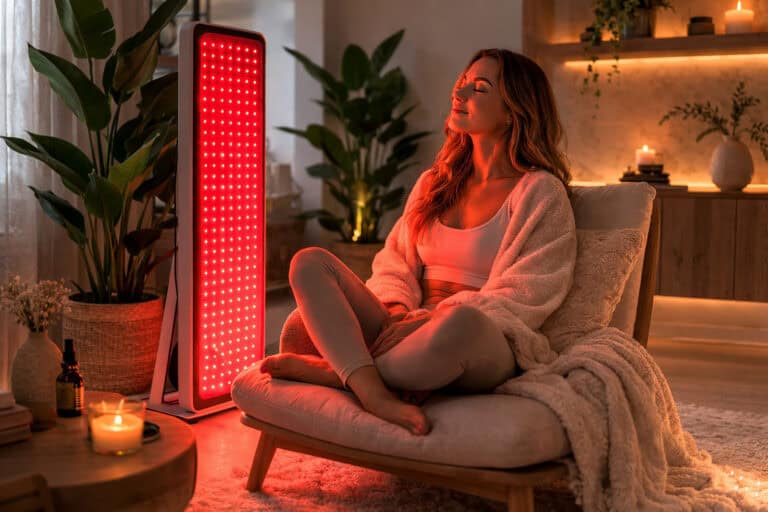
That distinction matters. A single-panel device like the Joovv Solo is often best understood as a premium targeted-to-moderate coverage panel. It can work well for the face, neck, upper torso, back, shoulders, quads, hamstrings, or a rotating routine, but most users should not buy it expecting complete full-body exposure in one position.
Need a broader comparison first?
See how this panel stacks up against other options in our Best Red Light Therapy Devices buyer’s guide →
What the Joovv Solo Actually Is
The Joovv Solo is best viewed as a premium vertical red light panel designed for home users who want a high-end enclosure, a recognized brand, and the ability to expand later. On Joovv’s current product pages, the Solo sits within the company’s modular lineup rather than the ultra-small handheld category, which makes it relevant for people who want more coverage than a compact desktop light without immediately stepping into a multi-panel wall or tower setup.
That middle-ground positioning is where the Solo earns most of its relevance. In practical home use, it can fit in a bedroom corner, home gym, office, or wellness room without demanding the footprint of larger recovery stations. For many buyers, that means the Joovv Solo is not the cheapest starting point, but it can be a cleaner foundation system if they plan to build out a more serious setup over time.
Joovv also emphasizes third-party safety certification for its Generation 3.0 devices and notes Intertek testing to recognized medical electrical equipment safety standards on its official site. That does not automatically make the Solo the best value in the category, but it does strengthen the brand’s positioning for buyers who prioritize engineering and certification language over price-first shopping. Joovv’s company and safety overview is here.
Core Specs and Design
On paper, the Joovv Solo checks the boxes most experienced panel shoppers look for. Joovv lists the Solo 3.0 at 660 nm red and 850 nm near-infrared, with 150 LEDs and a device size of approximately 36 inches tall by 8.75 inches wide. The company also lists irradiance above 100 mW/cm² in its comparison materials, though users should always remember that irradiance can vary by distance and measurement method. Compare Joovv device specs.
Those wavelengths are not unusual in the category, but they are still the most common wavelengths associated with mainstream at-home photobiomodulation devices. The real design differentiator is less about wavelength novelty and more about how Joovv packages the system: narrow, vertical, clean-looking, and compatible with a modular ecosystem.
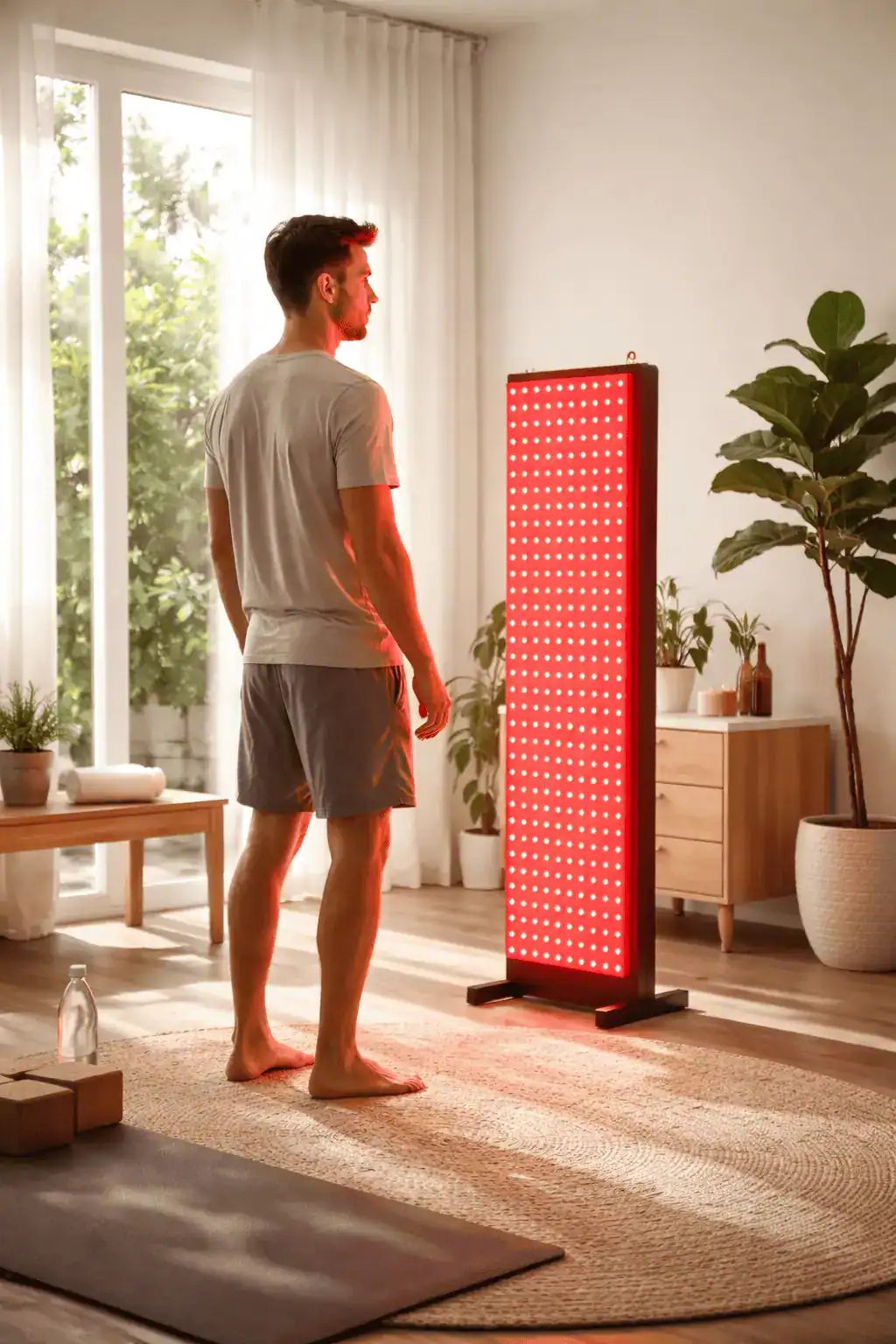
From a room-layout perspective, the Solo is easier to place than many wide panels. It can sit near a bench, desk, mirror, or workout space without dominating the room. That narrower shape also makes it easier to rotate body areas during a session, which is how many users will realistically use a device at this size anyway.

How the Panel Fits Daily Use
A lot of review value comes from translating specs into real room behavior. The Joovv Solo is easy to understand when you picture common home routines. It can work beside a vanity for face and neck sessions, in a gym corner for quads and shoulders, or in a recovery area where you alternate front and back exposures. That makes it more versatile than a tiny handheld, but less effortless than a larger wall-mounted or multi-panel system that covers more of the body at once.
For consistency, that tradeoff can still be favorable. A device that is simple to leave out, easy to approach, and pleasant to use often gets used more than a more complicated system stored away in a closet. The Solo’s slimmer vertical format helps on that front.
This is especially relevant for buyers building a routine around skin appearance support, localized recovery, or general wellness consistency rather than chasing a “biohacking lab” style setup from day one. If you want a device you can place, keep visible, and use repeatedly without a huge installation project, the Solo’s design makes sense.
Mechanism and What the Research Suggests
Red light therapy discussions often become too device-specific too quickly. The more useful approach is to separate the general photobiomodulation evidence from the specific claims any one brand makes. Broadly, red and near-infrared light are being studied for interactions with cellular energy pathways, signaling, circulation, and tissue-level responses. That does not mean every panel produces the same real-world outcome, but it does explain why consistent wavelength/device quality matters.
In skin-related research, published human studies have reported improvements in skin complexion, roughness, and collagen density after repeated red and near-infrared treatment sessions. One controlled trial published in Photomedicine and Laser Surgery reported improvements in skin feel, skin roughness, and ultrasonographically measured collagen density after a series of treatments. Read the skin study summary.
That said, buyers should be careful not to overgeneralize. A premium panel like the Joovv Solo may support a strong home routine, but the research base for photobiomodulation is still mixed by use case, dosing approach, and treatment context.

Skin, Recovery, and Whole-Body Expectations
One reason the Joovv Solo remains popular is that it sits across multiple buyer intents. Some shoppers want skin support. Others want post-training recovery. Others want a premium daily wellness device. The challenge is that the evidence base is not equally strong across every expectation.
For skin-focused use, a panel like the Solo can be more flexible than a face-only device because it can also cover the neck, chest, upper back, or limbs. For muscle use, a vertical panel works well for targeted zones after training. But for people chasing whole-body performance or recovery claims, the science is more cautious than the marketing language many shoppers encounter online.
A 2025 systematic review on whole-body photobiomodulation found that whole-body PBM may improve sleep quality, but did not show evidence of benefits for exercise recovery or performance overall, while also calling for further research to resolve discrepancies with localized PBM findings. See the whole-body PBM review. That is important context: the Joovv Solo may still be a useful device, but buyers should frame it around practical routine support rather than guaranteed performance outcomes.
Where the Joovv Solo Stands Out
The Joovv Solo’s biggest strengths are not mystery features. They are the obvious things premium buyers often care about most:
- Brand trust and product maturity in the home red light category
- Modular upgrade path if you may expand later
- Slim vertical footprint that fits more homes than large horizontal systems
- Clean premium design language for dedicated wellness spaces
- Recognizable specification consistency around 660 nm and 850 nm
For a lot of users, that combination is exactly the value proposition. They are not necessarily buying the Solo because it beats every competitor on raw numbers. They are buying it because it feels like a polished, stable entry into the higher end of the category.
This matters especially for buyers who dislike the “spec sheet arms race” and would rather choose a device from a known brand with a clear ecosystem than gamble on a cheaper panel with less established support or less refined build quality.

Where It Falls Short
No honest Joovv Solo review should ignore the weaknesses. The first is price pressure. The Solo sits in a market where shoppers can now find many 660/850 nm panel devices at lower price points. That means Joovv has to justify itself through design, modularity, brand confidence, and execution—not merely through the existence of red and near-infrared wavelengths.
The second limitation is coverage versus expectation. The name and product style can make some first-time buyers think “full body” in a one-and-done sense. In reality, a single narrow panel is more often a rotating-session device unless you are treating a localized area or you are comfortable repositioning.
The third issue is that a premium ecosystem can become expensive quickly once expansion accessories or larger configurations enter the conversation. That does not make the Solo a poor device, but it does mean budget-conscious buyers should compare it carefully against other home panel options before assuming the Joovv name alone closes the decision.
Compare similar panel-style devices
Browse our broader panel roundup here: Best Red Light Therapy Panels for Home Use →
Who the Joovv Solo Is Best For
The Joovv Solo makes the most sense for a specific kind of buyer:
- Someone who wants a premium home panel rather than the cheapest entry option
- Someone who values expandability and may grow into a larger setup later
- Someone who wants a clean vertical device for skin, recovery, or rotating body-area sessions
- Someone who prefers a recognized brand ecosystem over buying strictly on price
It is a weaker fit for shoppers who want maximum body coverage per dollar, who plan to use the panel only occasionally, or who are still unsure whether they will stick with a red light routine long enough to justify a premium purchase.
If you are early in your research, you may benefit from reading foundational content first, especially around realistic use cases, dosing expectations, and safety basics. Our guides on what red light therapy is and how to use red light therapy safely can help anchor those decisions.
Most Realistic Everyday Use Cases
For most homes, the Joovv Solo is strongest in realistic, repeatable routines rather than aspirational all-day wellness theater. Good examples include:
- Morning face and neck routine before work
- Upper-body desk-break sessions in a home office
- Post-workout use for quads, hamstrings, calves, or shoulders
- Evening wind-down routine as part of a calm screen-light-reduction environment
That kind of repeatable use is where panel ownership often lives or dies. A device that is easy to approach and easy to incorporate into a routine tends to outperform a more theoretical “best” device that is cumbersome to set up.
People considering the Solo should also think about room layout in advance: standing mount versus dedicated placement, how much wall clearance they have, and whether they want to rotate treatment zones or mainly focus on one or two areas. Those practical details matter more than many first-time shoppers expect.

Our Verdict on the Joovv Solo
The Joovv Solo remains a strong review candidate because it is a refined premium panel with a clear use case. It is not the automatic best-value choice, and it is not the most aggressive price-to-coverage play on the market. But it is a compelling option for buyers who want a respected brand, polished build quality, and a device that can grow into a larger modular system later.
In that sense, the Solo wins on ownership experience more than bargain math. It looks better than many cheaper alternatives, fits more elegantly into daily life, and feels better aligned with buyers who want a permanent wellness device rather than a temporary experiment.
Our overall take: the Joovv Solo is best for buyers who value premium execution and modular expansion potential, while shoppers who care mostly about lowest cost per treatment area should compare it carefully against broader panel options.
Joovv Solo FAQ
Is the Joovv Solo full-body?
Not in the one-position, head-to-toe sense most people imagine. A single Solo panel is better described as a targeted or moderate-coverage vertical panel that can support rotating body-area sessions.
Is the Joovv Solo worth it over cheaper panels?
That depends on what you value. If you care about premium design, established brand presence, modular expansion, and a refined ownership experience, it can be worth considering. If your main goal is maximum treatment area per dollar, you may prefer to compare lower-cost alternatives first.
What are the Joovv Solo wavelengths?
Joovv lists the Solo 3.0 at 660 nm red light and 850 nm near-infrared light on its official product materials.
What should you read next after this review?
Most readers should continue with our buyer’s guide, our panel roundup, or our science-backed benefits page to compare this device in broader context.
Final Thoughts
The Joovv Solo is a polished, premium red light therapy panel that makes the most sense for home users who want quality, simplicity, and a future-friendly modular path. Its strengths are real, but so are its tradeoffs: premium price, narrower single-panel coverage, and increasing competition from lower-cost panels with similar headline wavelengths.
If you are still weighing options, start with our Best Red Light Therapy Devices guide, compare it against other models in our home panel roundup, browse more analysis on the Red Light Sage blog, or reach out through our contact page if you want help choosing the right panel format for your space and routine.