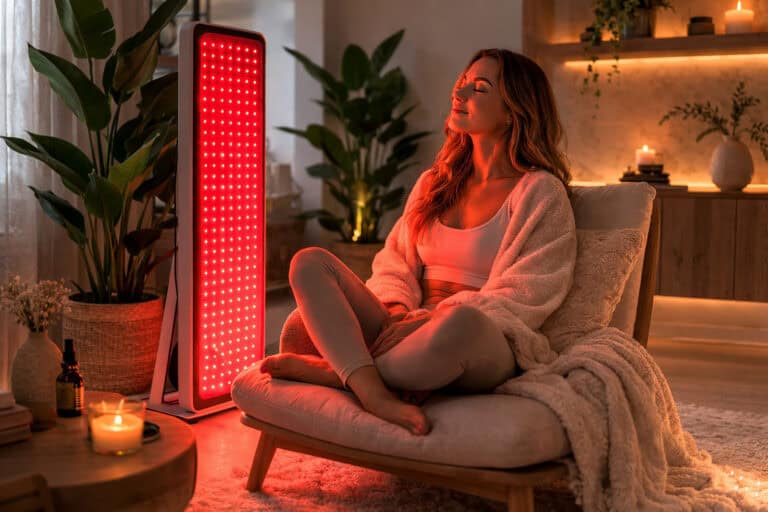
Best Full-Body Red Light Therapy Devices

Full-body red light therapy devices are designed for people who want broader coverage than a small handheld unit or compact facial panel can provide. Instead of treating one small area at a time, these devices aim to expose more of the body to red and near-infrared light during a single session. For home users, that often means a more efficient routine, fewer position changes, and a setup that feels easier to repeat consistently over time.
The challenge is that “full-body” can mean very different things depending on the product. Some devices use large freestanding panels. Others use modular systems that let you build wider vertical coverage. Some are best for standing sessions, while others work better near a yoga mat, bed, or recovery bench. Power output, treatment area, mounting options, wavelength combinations, and overall footprint can vary dramatically, so the best choice depends less on marketing language and more on how the device actually fits your routine and space.
In this guide, we compare the best full-body red light therapy devices for home use based on coverage, flexibility, practical setup, and overall usability. We also explain when a large panel is enough, when a modular system makes more sense, and how to decide whether you really need full-body coverage at all. If you want a broader overview of the category, start with our Best Red Light Therapy Devices buyer’s guide. For the broader science background, see our red light therapy benefits page, browse the Red Light Sage blog, or contact us with a specific comparison question.
Need the full lineup first?
Compare this roundup with our broader device hub in the Best Red Light Therapy Devices buyer’s guide →
What “Full-Body” Really Means in Home Red Light Therapy
One of the biggest sources of confusion in this category is the phrase “full-body.” In practice, most home devices do not illuminate the entire body from head to toe at exactly the same intensity unless they are very large, paired, or modularly expanded. A more realistic interpretation is that the device can cover large sections of the body efficiently enough that a full routine feels practical within a reasonable session window.
For some users, a tall single panel is effectively full-body because it can cover most of the front or back side of the body while standing a short distance away. For others, especially taller users or those wanting wider shoulder-to-ankle coverage, a single panel still requires repositioning. Modular systems solve part of that problem by allowing stacked or side-by-side expansion, but they also cost more and need more wall or floor space.
That is why coverage geometry matters as much as device size. A narrow panel can be powerful but still feel limited for whole-body routines. A wider panel may feel more convenient even if its headline specifications look similar. Likewise, a user who mainly wants post-workout recovery for the legs, hips, back, and shoulders may define “full-body” differently than someone focused on general wellness, skin support, or all-around daily exposure.
Before buying, it helps to think in practical terms: Will you stand in front of the panel? Sit beside it? Use it near a bed or bench? Mount it on a door? Move it room to room? The answer often determines which device category makes the most sense. If you are still learning the basics, our guide on what red light therapy is and our article on how to use red light therapy at home can help frame expectations.

How Full-Body Devices Work
Full-body red light therapy devices rely on the same basic photobiomodulation concepts as smaller devices, but they aim to deliver light across a broader surface area. Red wavelengths are commonly discussed in relation to superficial tissue exposure, while near-infrared wavelengths are often used in devices intended for deeper tissue penetration. In both cases, the core idea is that light energy may support normal cellular processes when used under appropriate conditions.
Researchers often discuss mitochondrial function, ATP-related energy processes, nitric oxide signaling, and cell signaling pathways when explaining why light exposure is being studied in wellness and recovery settings. That does not mean every device delivers the same experience or that bigger is automatically better. Coverage, distance, session timing, and consistency all shape how practical a device is for routine use.
With full-body systems, the main advantage is not that they use a different mechanism. The advantage is that they reduce friction. When users can expose larger areas of the body in one position, they may be more likely to maintain a routine. A panel that takes less repositioning often feels easier to stick with than a small device that must be moved repeatedly from one body part to another.
For a deeper look at the science language behind device marketing, see our explainer on how red light therapy works at the cellular level and our article on red light therapy wavelengths.

For background reading, the NIH Office of Dietary Supplements overview of photobiomodulation-related topics and PubMed’s research index remain useful starting points for understanding the broader evidence base. See PubMed and NIH for foundational literature access.
What to Look For in a Full-Body Red Light Therapy Device
Coverage area
The first priority is treatment area. A true full-body setup should reduce the need for constant repositioning. Taller and wider panels are generally more convenient, but the real question is whether the light pattern fits your intended use. If you mainly want front-side standing sessions, a tall panel may be enough. If you want broader front-and-back routines or couples use, modular or dual-panel systems can make more sense.
Mounting and placement
Some users want a wall-mounted solution in a dedicated wellness room. Others want a rolling stand that can be repositioned near a bed, chair, or exercise area. Large devices can be impressive on paper yet frustrating in small homes if mounting is inflexible. Always think about your room layout before thinking about headline specs.
Wavelength mix
Most premium full-body devices combine red and near-infrared wavelengths. That blend is common because it supports versatility across skin-focused, recovery-focused, and general wellness routines. Devices that allow mode selection or dimming can also be easier to tailor to different use cases.
Ease of consistency
The best full-body device is often the one you will actually use several times per week. Quiet operation, simple controls, practical session timers, stable stands, and an easy startup routine matter more than many buyers initially expect.

Best Overall Full-Body Pick: PlatinumLED BIOMAX
The PlatinumLED BIOMAX line stands out as one of the strongest overall choices for home users who want serious panel-based coverage with room to scale. It is well known in the category, offers multiple panel sizes, and fits the needs of buyers who want a system that can start with one unit and expand over time. That flexibility matters because many people do not know at the start whether they need a single large panel or a more ambitious multi-panel arrangement.
For full-body use, the appeal is straightforward: strong brand recognition in the space, larger-format options, and a product family that supports more advanced setups later. A single BIOMAX unit may be enough for users who are comfortable repositioning slightly, while stacked or paired units can create a more immersive wall-style experience in a dedicated room.
This is the right fit for buyers who value expandability and want a panel system that feels like a long-term platform rather than a one-time purchase. It may be less ideal for someone who wants the smallest possible footprint or the lowest entry price. But if your goal is to build a serious home setup over time, this lineup makes a lot of sense.
Read the deeper breakdown in our PlatinumLED BIOMAX review.
Best Modular Full-Body System: Joovv Solo
The Joovv Solo remains one of the most recognizable names for people building a modular red light therapy wall at home. Its strongest advantage is the way it fits buyers who already know they want a system approach rather than a single all-in-one panel. If your vision is a clean, polished home wellness setup with the option to expand vertically or horizontally, Joovv is often one of the first brands considered.
For full-body use, modularity matters because it lets you adjust the system to your body size, room dimensions, and long-term goals. A smaller starting configuration can grow into broader coverage later, which is appealing for buyers who want to spread out cost and learning. The overall experience tends to suit dedicated users who prefer an organized, permanent setup over a portable or improvised arrangement.
The tradeoff is that modular systems can be more expensive and may require more planning around mounting, spacing, and room design. They are usually best for users who already know where the device will live and do not expect to move it often. If that describes your situation, the Joovv Solo ecosystem is one of the most compelling full-body options in the market.
For more detail, see our Joovv Solo review.

Best for Recovery-Focused Users: Mito Red Light MitoADAPT
The Mito Red Light MitoADAPT lineup is appealing for users who want broad-body coverage with a strong emphasis on recovery, routine flexibility, and modern panel features. For home athletes, active adults, and people who plan to use red light therapy near a home gym or recovery station, this style of device often feels practical because it fits naturally into pre- or post-workout habits.
Full-body buyers in this category usually care less about beauty-oriented framing and more about coverage, session efficiency, and integration into a larger training or recovery lifestyle. A MitoADAPT-style setup can work well for users who rotate between legs, back, shoulders, and torso but still want a device capable of broad standing sessions when time allows.
This is a strong option for people who want serious panel performance without necessarily committing to the most elaborate modular wall arrangement on day one. It fits the middle ground between premium ambition and everyday usability.
For a product-specific evaluation, read our Mito Red Light MitoADAPT review.

Best Value Full-Body Option: Hooga and Bestqool Large Panels
Not every buyer wants a flagship system, and that is where value-oriented panel brands like Hooga and Bestqool become relevant. These are often the devices shoppers compare when they want broader treatment coverage without moving into the highest price tier right away. In many home setups, a large value panel can deliver a very workable pseudo-full-body routine, especially if the user is comfortable adjusting position slightly during the session.
The biggest strength of this category is accessibility. A buyer who wants to explore red light therapy with a larger treatment area may find it easier to justify a mid-tier panel than a premium expandable wall system. These devices can be especially attractive in apartments, spare bedrooms, or mixed-use home offices where space is limited and the setup needs to stay visually simple.
The tradeoff is that value panels may offer fewer premium build touches, fewer modular expansion pathways, or less of the polished ecosystem feel some high-end shoppers want. Still, for many users, the practical experience can be very good. If your goal is broad at-home coverage without overbuilding the setup, this tier deserves attention.
See our Hooga HG panel review, Bestqool panel review, and budget panel comparison for more context.
Shopping on a tighter budget?
See our comparison of lower-cost options in Best Budget Red Light Therapy Devices →
Best for Skin-Focused Full-Body Routines: Rouge and Similar Aesthetic-Friendly Panels
Some buyers want full-body coverage primarily because they prefer an all-around wellness and skin-support routine rather than a narrowly targeted recovery setup. In that case, a panel with a clean design, straightforward controls, and a comfortable home-use feel can be more appealing than a device that looks engineered mainly for athletic recovery spaces.
Rouge and similar premium panel brands appeal to this type of buyer because they often balance aesthetics and capability well. The ideal user here is someone creating a consistent daily or near-daily home routine where the device lives in a bedroom, bathroom-adjacent area, dedicated wellness nook, or multipurpose self-care space. The device needs to look good, feel simple, and integrate into real life without becoming a hassle.
That does not make these devices superficial choices. It simply reflects the reality that long-term adherence often improves when the setup feels pleasant and easy to use. A beautiful but inconvenient device will gather dust. A practical and inviting one is more likely to become part of a sustainable routine.
For more on skin-oriented product selection, visit our Best Red Light Therapy Devices for Skin & Anti-Aging roundup and our Rouge review.

Which Full-Body Device Type Is Best for Your Situation?
Choose a premium modular system if:
- You want a long-term dedicated setup.
- You have a stable room layout and enough space for expansion.
- You care about future-proofing and ecosystem flexibility.
Choose a large single panel if:
- You want broad coverage without building a wall system.
- You are comfortable with some repositioning.
- You want better value and easier setup.
Choose an aesthetic-friendly panel if:
- You want the device to blend into a bedroom or wellness room.
- You prioritize consistency and ease of use.
- Your routine centers around general wellness or skin support.
Choose a recovery-oriented setup if:
- You plan to use the device near a gym or training area.
- You care about broad muscle group coverage.
- You want a routine that fits naturally around workouts.
If you are unsure which path fits best, start broader with our Is Red Light Therapy Right for You? guide.
Practical Setup Considerations Before You Buy
Full-body red light therapy devices are often judged too heavily by specification sheets and not enough by room logistics. Before purchasing, think about ceiling height, door clearance, outlet location, stand depth, and how close you can comfortably position yourself during a session. A device that technically fits your room may still be frustrating if it blocks a walkway or forces an awkward angle.
Noise, heat output, and mobility also matter. Some buyers will leave the device in one room permanently. Others will want to move it between a bedroom, office, and exercise area. A rolling stand may be more valuable than a marginal spec upgrade if your routine depends on flexibility. Likewise, if you live with family or use shared spaces, a device that can be tucked away or visually integrated into the room may be easier to keep using consistently.
It is also smart to think about session timing. A full-body panel setup usually works best when you can step into the same routine repeatedly without setup friction. That might mean placing it near your stretching area, beside a recovery mat, or in a corner where the controls are already dialed in. Convenience is not a minor factor here; it is often the difference between frequent use and occasional use.

For practical safety context, Cleveland Clinic’s general light therapy resources and Mayo Clinic’s wellness guidance can be useful complementary reading, alongside our own red light therapy safety guide and session duration guide. External reading: Cleveland Clinic and Mayo Clinic.
Common Mistakes When Shopping for Full-Body Red Light Therapy Devices
The first mistake is assuming that bigger automatically means better. A large device that does not fit your room, routine, or budget can become an expensive obstacle rather than a helpful tool. The second mistake is buying too small because of price alone, then realizing the daily routine feels inefficient. That often leads to upgrade regret.
Another common mistake is ignoring mounting and stand options. Many buyers compare only panel specifications and forget to ask how the device will actually be used day to day. A panel that looks excellent on a product page can feel inconvenient if it cannot be positioned comfortably for both front and back exposure.
Buyers also sometimes overestimate how much time they will devote to complex routines. In reality, a device that supports a simple, repeatable 10-to-20-minute habit may be more valuable than a larger or more advanced system that feels cumbersome. Finally, some shoppers focus only on brand hype instead of matching device style to their use case. A well-chosen mid-tier panel can be smarter than a premium system that does not suit the room or the user.

Final Verdict
The best full-body red light therapy devices are the ones that make broad treatment coverage realistic in everyday home use. For many buyers, that means choosing between a premium modular system, a large single panel, or a value-oriented broad-coverage setup that still feels manageable in a real room. PlatinumLED BIOMAX stands out for overall versatility, Joovv Solo is compelling for modular buildout, Mito Red Light is a strong fit for recovery-minded users, and value brands like Hooga or Bestqool can make large-area treatment much more accessible.
If your goal is to create a dedicated long-term wellness station, a scalable premium system may be the right investment. If you want broad exposure without overcomplicating the purchase, a large panel may be the smartest route. And if budget matters most, starting with a value-focused large-format panel can still provide a very workable full-body routine.
To compare this list with the broader category, visit our Best Red Light Therapy Devices buyer’s guide. You can also review our blog, revisit the benefits page, or contact us if you want help narrowing the right setup for your space.